
Forex Trading for Dummies: An Easy Guide to Start Trading
Forex trading can seem overwhelming for beginners, but with the right information and resources, anyone can learn how to navigate the foreign exchange market. This guide is designed to break down the complexities of forex trading into simple, manageable concepts. For traders seeking reliable platforms, check out forex trading for dummies Best Uzbek Brokers.
What is Forex Trading?
Forex trading, often referred to as foreign exchange or FX trading, is the act of buying and selling currencies in order to profit from changes in their exchange rates. The forex market is the largest financial market in the world, with a daily trading volume exceeding $6 trillion.
Key Concepts in Forex Trading
Currency Pairs
In forex trading, currencies are traded in pairs. A currency pair consists of a base currency (the first currency) and a quote currency (the second currency). For example, in the currency pair EUR/USD, the euro is the base currency, and the US dollar is the quote currency.
Bid and Ask Price
The bid price is the amount a trader is willing to pay for a currency, while the ask price is the amount a trader will receive for selling it. The difference between these two prices is known as the spread, which is often the broker’s profit margin.
Getting Started with Forex Trading
1. Educate Yourself
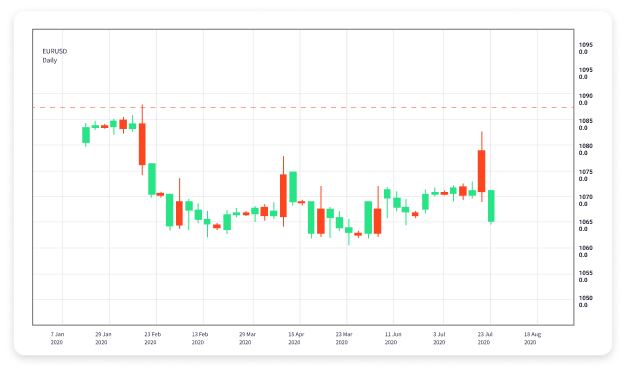
Before jumping into forex trading, it is crucial to educate yourself about the market. There are numerous online resources, courses, and platforms that provide valuable information about trading strategies, market analysis, and risk management.
2. Choose a Reliable Broker
Selecting the right broker is critical to your trading success. Look for a broker that is regulated, offers a user-friendly trading platform, and provides a range of educational resources to help you improve your trading skills.
3. Open a Trading Account
Once you’ve chosen a broker, you will need to open a trading account. Most brokers offer demo accounts, which allow you to practice trading without risking real money. This is a great way to familiarize yourself with the trading platform and test different strategies.
4. Develop a Trading Plan
A trading plan is essential for any trader. It should outline your trading goals, risk tolerance, and the strategies you plan to use. Stick to your plan and avoid making impulsive decisions based on emotions.
Understanding Market Analysis
1. Fundamental Analysis
Fundamental analysis involves evaluating economic indicators, interest rates, and geopolitical events that can impact currency values. This analysis helps traders understand the overall economic health of a country and its currency’s strength.
2. Technical Analysis
Technical analysis, on the other hand, focuses on analyzing historical price data to forecast future price movements. Traders use various tools and indicators, such as charts and statistical analysis, to identify trends and market patterns.
Risk Management in Forex Trading
Risk management is a crucial aspect of forex trading. It’s essential to configure your trading strategies to limit potential losses. Here are some key risk management techniques:
- Set Stop-Loss Orders: These orders automatically close a position if the price reaches a certain level, helping to limit losses.
- Use Take-Profit Orders: Similar to stop-loss, a take-profit order closes a position once it reaches a specified profit level.
- Determine Position Size: Calculate the appropriate amount to risk on each trade based on your account balance and risk tolerance.
Common Mistakes to Avoid
Even seasoned traders can make mistakes. Here are some common pitfalls that beginners should be aware of:
- Overtrading: Trading too frequently or with too much capital can lead to significant losses.
- Ignoring the Trading Plan: Deviating from your plan based on emotional reactions can be detrimental.
- Lack of Patience: Successful trading often requires waiting for the right opportunities, rather than forcing trades.
Utilizing Trading Tools and Resources
Different tools can enhance your trading experience significantly. Here are a few that you might find useful:
- Trading Platforms: Choose platforms that provide comprehensive charts, real-time data, and trading signals.
- Economic Calendars: These calendars keep you updated with major economic events that can affect currency prices.
- Trading Communities: Joining communities or forums can help you connect with other traders, share experiences, and learn from one another.
Conclusion
Forex trading can be an exciting and rewarding venture if approached with the right knowledge and strategy. By understanding the fundamental concepts, conducting thorough market analysis, and managing risks effectively, you can improve your chances of success in the forex market. Remember, practice makes perfect. Start with a demo account, develop your skills, and gradually transition to live trading when you’re ready.
Whether you’re in it for a hobby or aiming to turn it into a profitable career, the world of forex awaits. Keep learning and developing your trading strategies to navigate the complexities of this vast market.
Leave a Reply